
Attic mold removal in Charleston typically runs $1,500–$7,000: contained cleaning of colonized sheathing plus the ventilation and vent-termination fixes that stop recurrence. In a climate with 50 inches of rain and long humid summers, attic mold is an airflow problem wearing a mold costume.
How humid-climate attics grow mold, what the streak patterns mean, and the fix that lasts.
The Lowcountry attic, thermodynamically
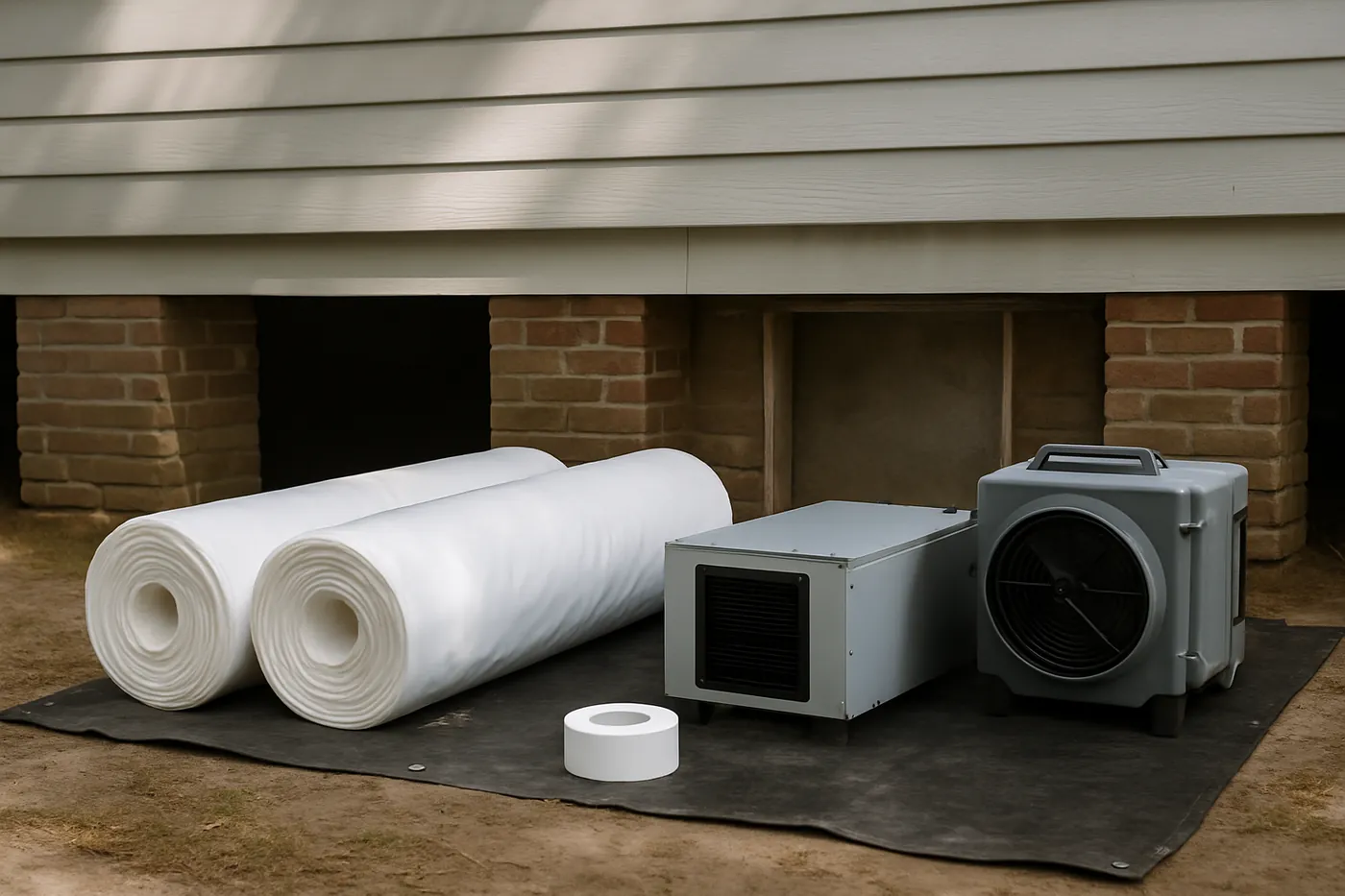
A vented attic breathes outdoor air by design — soffits in, ridge or gable out. In Charleston that intake air spends half the year loaded with moisture, which is fine as long as it keeps moving. Block the exhaust half — painted-shut gable vents, insulation stuffed into soffit bays, a ridge vent that was never cut through — and the humid air lingers, cools against the sheathing at night, and condenses. Add the classic accelerant, a bathroom or dryer vent terminating in the attic instead of outdoors, and the roof deck gets fed indoor moisture on a schedule. The colonies follow the failure map: heaviest where air stalls, darkest on the cool north slope.
Reading the streaks
| Pattern | What it usually means | The fix |
|---|---|---|
| Uniform haze across the deck | General ventilation shortfall | Clear soffits, open the exhaust path |
| Dark bloom around one spot | A vent terminating in the attic | Re-route it outdoors; clean the bloom |
| North-slope concentration | Condensation on the coolest surface | Airflow correction; treat the sheathing |
| Streaks following a roof leak line | Liquid water, not condensation | Roofing repair first, then remediation |
| Soft wood under the growth | Rot — past cosmetic | Sheathing replacement in that zone |
The remediation, in order
Containment at the hatch and any ceiling penetrations, so the work never seeds the house. HEPA-assisted cleaning and treatment of the colonized sheathing; probing for rot, with replacement only where wood has genuinely failed. Then the half that decides whether you ever see us again: soffit bays cleared, exhaust path opened or added, and every bath and dryer vent terminated outdoors. Where the moisture story extends below the attic — AC humidity, crawl space condensation — the inspection says so, because a humid-climate house is one moisture system, not three. Verification follows the work; the cost guide prices each layer, and testing is available where a dispute or closing needs numbers.
The first humid season after the work
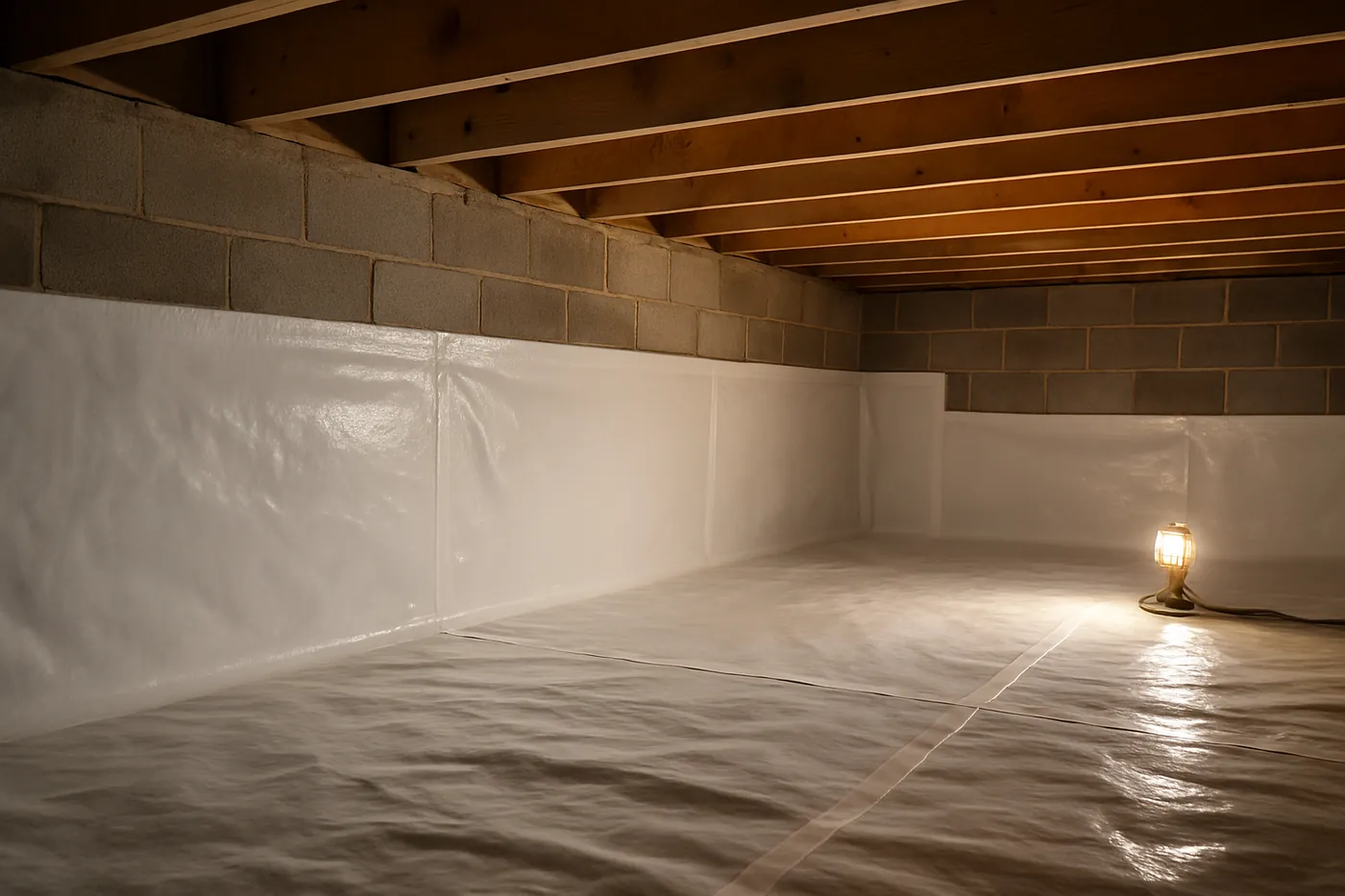
An attic that has been cleaned and corrected should be boring afterward — and the way you know is by looking during the season that caused the problem. Once in late summer, put your head in the hatch: the sheathing should be uniformly dry, the new insulation should be undisturbed, and you should feel outside air moving from the soffits toward the ridge. Then check the things that undo the fix, because they are almost always human: a bath fan re-routed to dump into the attic during a remodel, a can light or hatch left unsealed, storage piled over the soffit vents and choking the intake. In a Lowcountry summer, one blocked intake is enough to restart the whole condensation cycle.
Attic questions, straight answers
How does mold get into a Charleston attic?
Two routes, often together. Humid outdoor air enters through soffits — which is normal and necessary — but when exhaust ventilation is blocked or undersized, that moisture lingers and condenses on the underside of the roof sheathing. And bathroom or dryer vents that terminate in the attic instead of outside deliver a steady indoor-moisture feed straight to the coldest surfaces.
What do the dark streaks on my sheathing mean?
Usually surface mold tracking the moisture pattern — heaviest on the north slope and near blocked soffit bays, following the plywood seams. It's the attic telling you where airflow fails. Streaking that's only cosmetic on the surface differs from rot that's softened the wood; a screwdriver probe during inspection tells them apart, and the answer changes the scope.
Does attic mold get into the living space?
Less directly than people fear — attic air mostly exhausts upward by design — but the pathway exists wherever the ceiling plane leaks: recessed lights, hatch gaps, duct penetrations. The bigger household issue is usually the moisture source itself, since a bath fan dumping into the attic is also failing the bathroom it serves. Sealing and source-fixing handle both.
Can attic mold be treated without tearing off the roof?
Almost always. Remediation works from inside: contained cleaning and treatment of the sheathing, replacement only where wood has genuinely rotted, then the ventilation and vent-termination fixes that stop recurrence. Roof replacement enters only when the sheathing has failed structurally — rarer than roofing salesmen suggest, and a carpentry question, not a mold one.
What does attic mold removal cost in Charleston?
Most attic remediations land in the $1,500-$7,000 band inside our general $500-$6,000 range, depending on square footage and how much correction the ventilation needs — the cleaning is often the smaller half of the invoice. The fix-the-cause line matters here more than anywhere: treated sheathing under unchanged airflow streaks again within seasons.
Do we need to leave the house during attic remediation?
Usually not. Attic work is contained and run under negative air pressure so the work zone stays separate from the living space, and access is typically through a hatch rather than your hallway. You will hear it, and you will see plastic and equipment. Households with infants, elderly residents, or anyone asthmatic or immunocompromised sometimes choose to stay elsewhere for the heaviest day.
Get a free Charleston mold inspection
Tell us what you’re seeing or smelling — a musty smell coming up through the floor, cupping hardwood, condensation on ductwork, staining on a wall — and we’ll schedule an inspection that includes going under the house. We reply the same business day.