Mold remediation in Charleston costs $500–$6,000 for most residential jobs above the crawl space, set by area affected and whether materials come out. The work is containment, physical removal, and HEPA filtration, plus correcting the moisture source, which here is often below the floor rather than in the room.
Here's what proper remediation involves, and what changes on a historic property.
The standard, in the order it happens
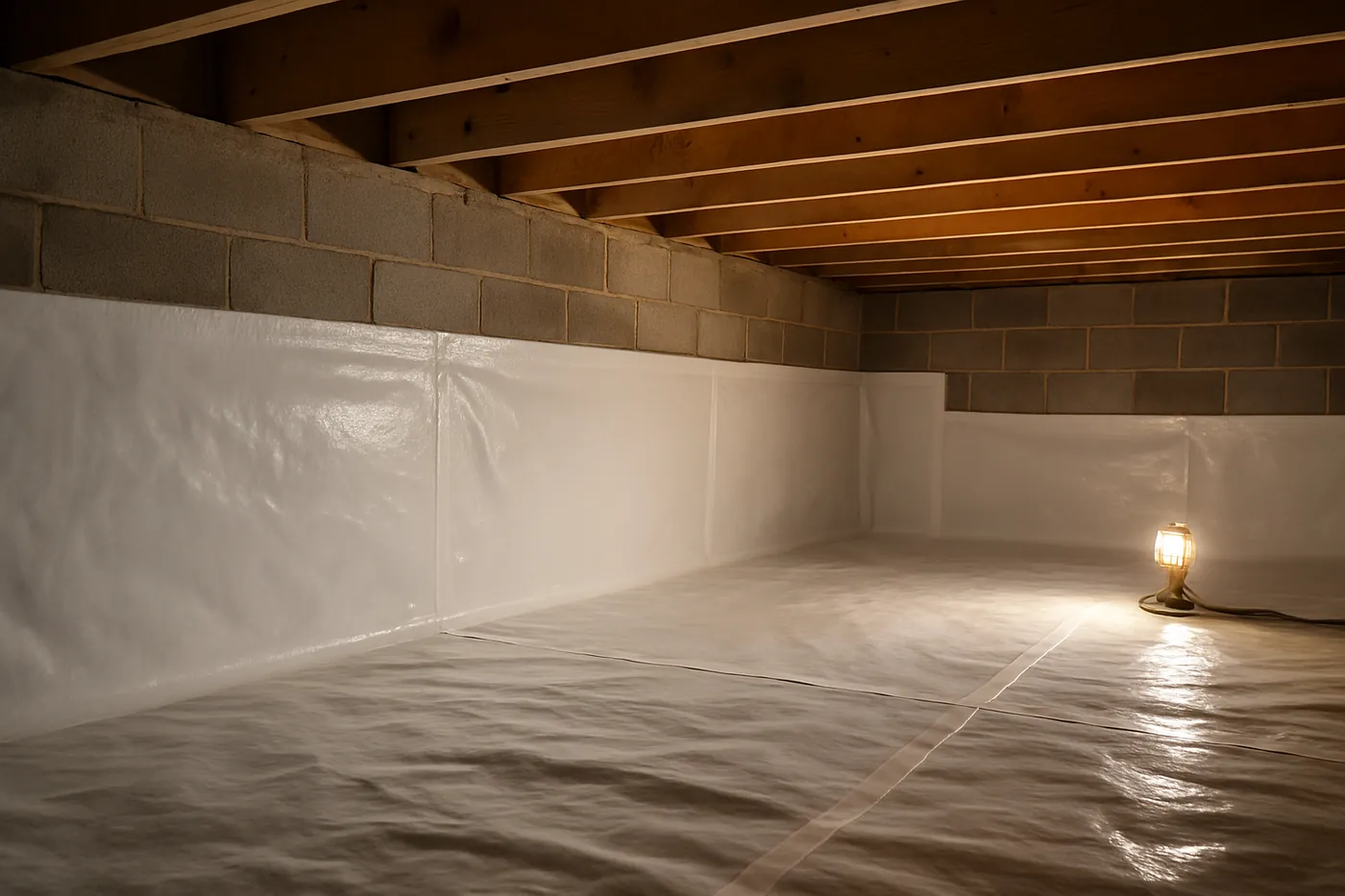
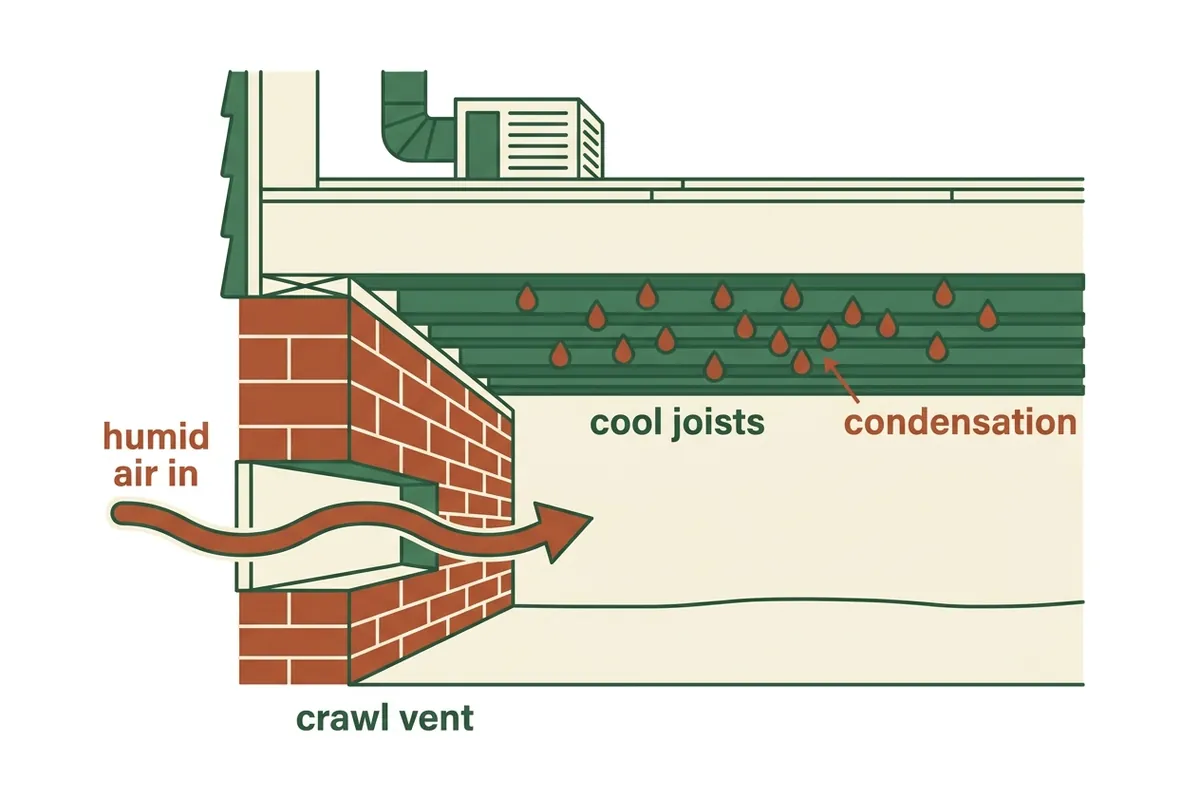
- Find and stop the moisture. In this market that investigation frequently ends up in the crawl space rather than the affected room.
- Contain the area. Barriers plus negative air pressure, so removal doesn't distribute spores through the house.
- Remove what can't be cleaned. Porous material that grew mold comes out; non-porous surfaces get cleaned.
- HEPA-filter and clean. Air scrubbers through the work and after it, surfaces HEPA vacuumed and wiped.
- Dry to a measured target. Meters decide when materials are ready to close, not the calendar.
- Rebuild once the readings allow it.
Removal, not treatment
This distinction separates real remediation from an expensive imitation. EPA guidance is direct: the job is physically removing the mold and the porous material it colonized. Because mold doesn't have to be alive to cause a problem, killing it and leaving it in place doesn't complete anything.
So a company offering to fog the house, spray an antimicrobial, or run an ozone generator instead of removing the affected material is selling something that won't resolve this. Those tools have narrow legitimate uses on already-cleaned surfaces. None replaces removal.
Historic assemblies deserve restraint
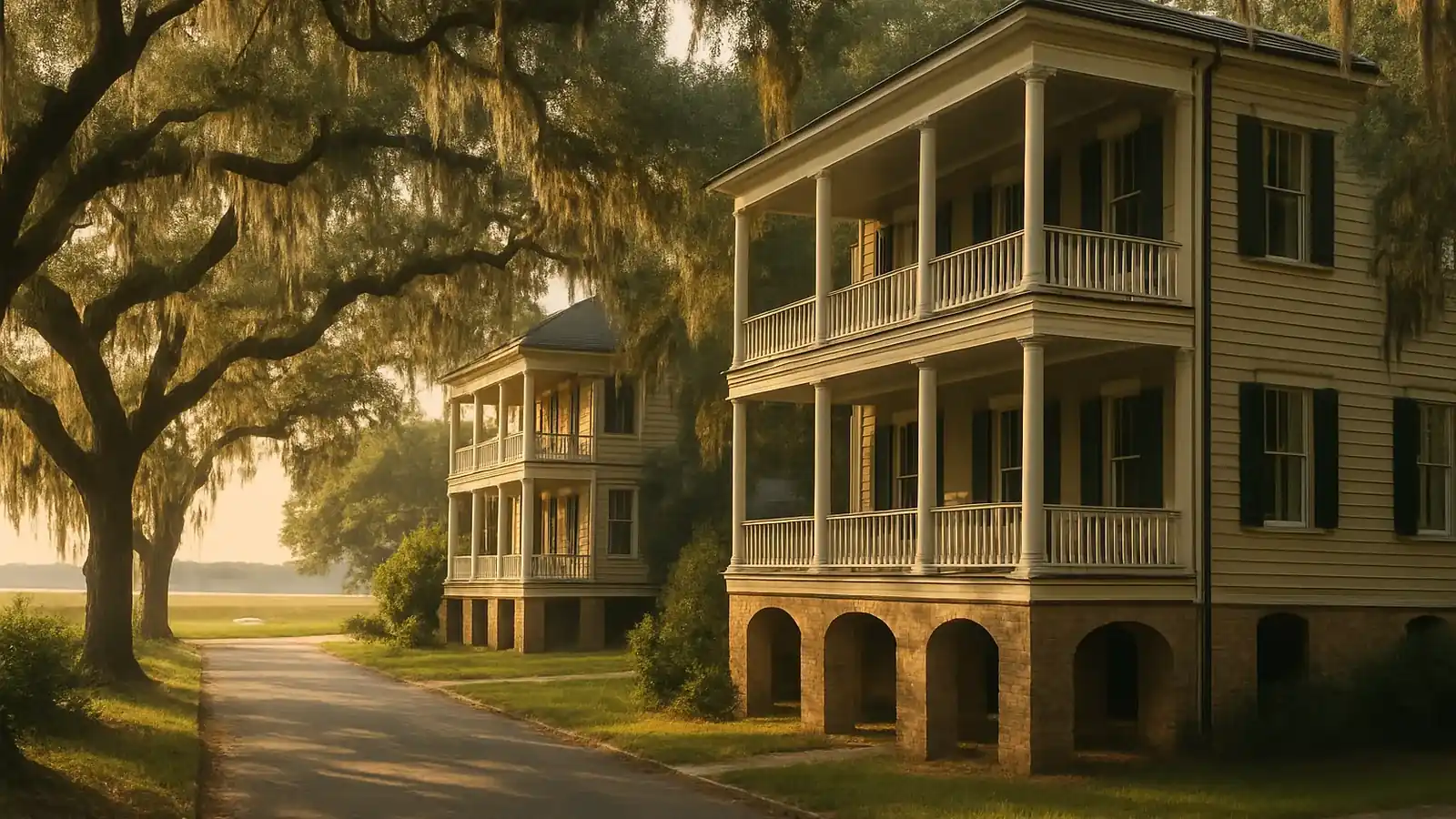
A great deal of Charleston housing predates air conditioning by a century or more, and those buildings handled moisture by being permeable: lime plaster on masonry, wood that breathes, no vapor barriers, and ventilation designed into the way the house was lived in.
Air conditioning changed the temperature and vapor gradients those walls were built around, and modern moisture solutions applied carelessly can make things worse. Sealing an interior surface on a wall that was designed to dry in both directions can trap moisture inside masonry, where it does slow structural damage nobody sees for years. On older properties a careful specialist leans toward source control, ventilation, and reversible measures, keeps original material wherever readings allow, and says plainly when a condition belongs with a preservation specialist rather than a remediation crew.
What drives the price
- Area affected: measured, not estimated from a doorway
- Material removal and rebuild: frequently the largest line, and the usual reason a low bid grows
- Containment complexity: open plans need more barrier than closed rooms
- Historic material handling: plaster and original millwork take longer to work around than drywall
- The moisture correction: priced visibly, because if the source is the crawl space, remediating the room alone buys you this twice
How much containment does the job actually need?
Containment is the difference between removing mould and redistributing it through the house. The scale of it follows the size of the affected area, which is why an honest quote asks how much before it says how much it costs.
| Affected area | Containment used | What it means for the household |
|---|---|---|
| Under ten square feet | Basic isolation and dust control | Often a single visit; the room stays usable either side of it |
| Ten to a hundred square feet | Sealed work area under negative pressure | That area is closed off for the duration |
| Over a hundred square feet | Full containment, decontamination access | Plan around it: parts of the house are out of use |
| Any size, historic assembly | Full containment plus restraint on demolition | Slower and gentler; plaster and masonry are not replaceable |
Most residential remediation here runs $500–$6,000 depending on spread. On the peninsula the constraint is often not the mould but the assembly around it: plaster, masonry, and no modern vapour barrier reward patience over speed.
Remediation questions, straight answers
What does mold remediation cost in Charleston?
Most residential jobs above the crawl space run $500 to $6,000, set by area affected, whether materials must be removed and rebuilt, and how much containment the layout requires. A single bathroom wall is the low end; growth across several rooms with material removal is the high end. Many local specialists don't charge for the inspection; ask when they call.
Do we need to move out?
Usually not. Containment with negative air pressure exists specifically so the rest of the house stays usable while one area is worked. Where the affected area is large, involves the only bathroom, or someone in the household has a respiratory condition, staying elsewhere is usually the better call.
Our house is historic. Does that change the approach?
Substantially. Older Charleston assemblies were built to manage moisture by staying permeable, and sealing a wall designed to dry in both directions can trap moisture in masonry and accelerate decay. A careful specialist prioritizes source control and ventilation over sealing interior surfaces, and says when something belongs with a preservation specialist.
Is fogging or antimicrobial spraying enough?
Not as a substitute for removal. EPA guidance is that remediation means physically removing the growth and the porous material it colonized. Mold doesn't need to be alive to cause a problem, so killing it in place doesn't finish the job. Any bid built on fogging instead of removal deserves hard scrutiny.
Will it come back?
Only if the moisture source stays. That's why the scope names the source explicitly, and in this market it's frequently the crawl space rather than anything in the room where you found the mold. Remediating upstairs while leaving the mechanism running below is how people end up paying twice.
Get a Charleston mold inspection
Tell us what you’re seeing or smelling: a musty smell coming up through the floor, cupping hardwood, condensation on ductwork, staining on a wall, and we'll pass your request to one independent local specialist, who can set up an inspection. A specialist who serves the Charleston area will call you back.