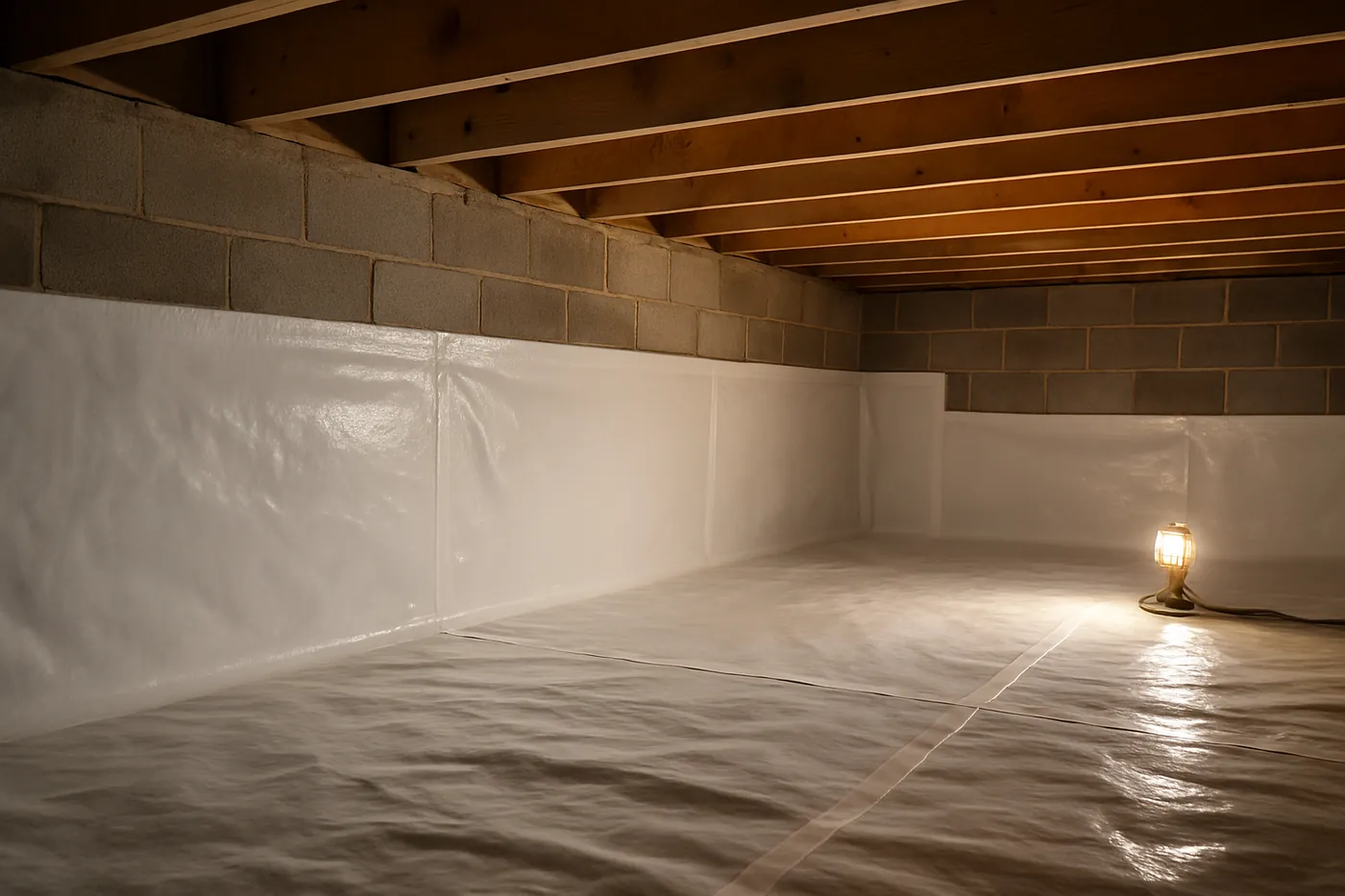
Isle of Palms homeowners pay $500–$6,000 for most mold remediation, from about $300 for testing when genuinely warranted. Humid air condensing under a raised house is the usual mechanism, and an inspection that includes going into the crawl space is what identifies it.
Elevated is different from a crawl space
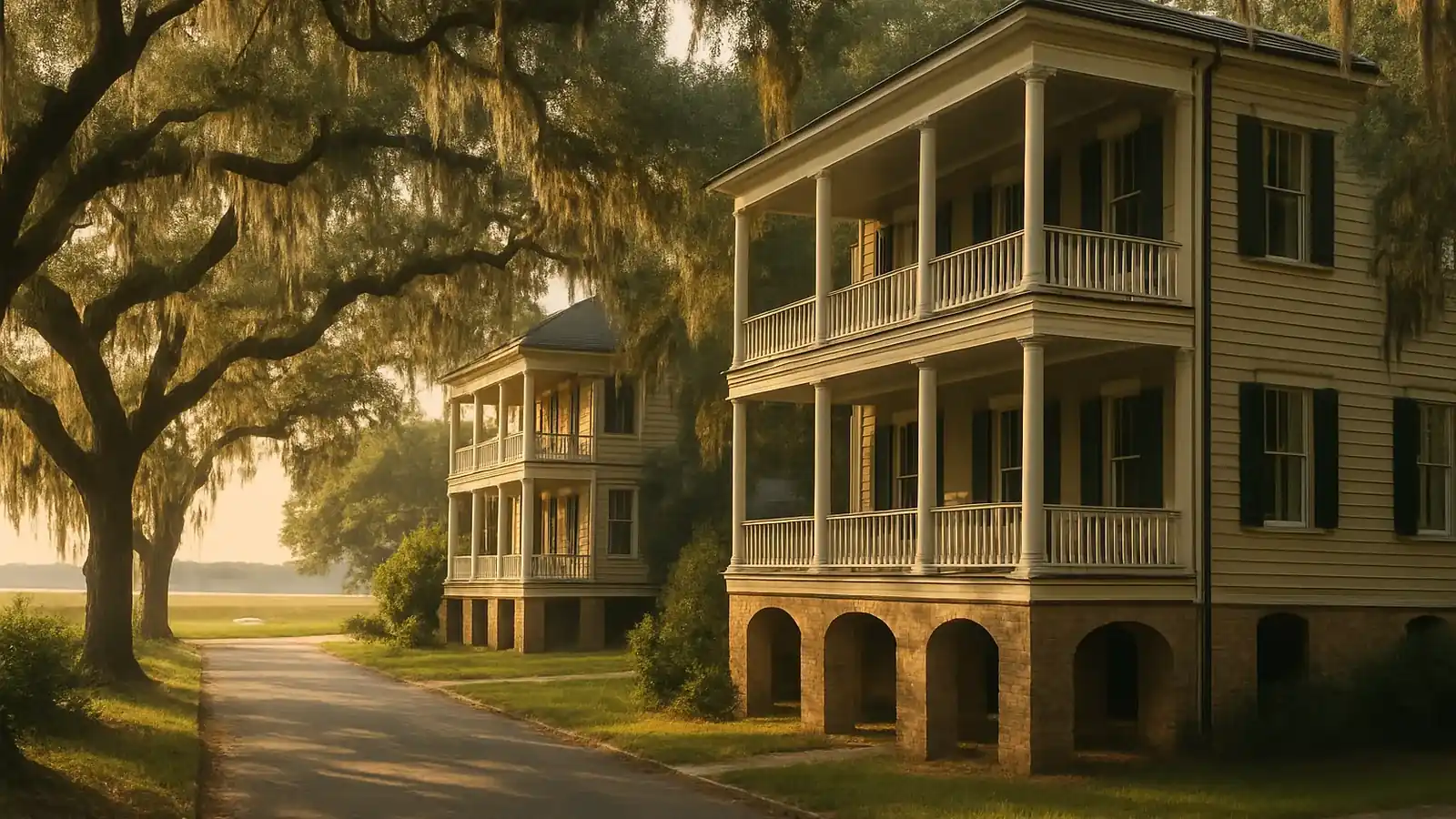
Much of Isle of Palms is built elevated on pilings rather than over an enclosed crawl space, and that distinction genuinely changes the moisture picture, usually for the better. Open air beneath a house doesn't trap humidity the way an enclosed vented crawl does, because there's no enclosure to hold it and no still air to condense out of.
The trouble starts when that space gets enclosed. Storage rooms, finished ground-level areas, and enclosed parking below the living space convert an open, self-drying volume into a closed humid one, and because these areas sit below the flood elevation, they're required to have flood vents rather than sealed walls, which means they can't be conditioned. Porous material stored in them (cardboard, upholstery, drywall, carpet) is sitting in permanently humid air, frequently sharing a floor assembly with the living space above.
Rental turnover is a mold pattern
Short-term rental turnover produces a repeating failure. A unit is occupied and conditioned for a week, then sits empty, and during the gap the thermostat often goes off or up to save electricity. In summer, a few unconditioned days is enough for humidity to climb and stay climbed.
Repeat that through a season and you get growth in closets, behind headboards on exterior walls, in ground-level storage, and in the AC system. The correction is operational rather than constructional: hold the system in a dehumidification setting between guests, use a humidistat or a smart thermostat with a humidity setpoint, and target under about 60 percent regardless of occupancy.
Salt is hard on the equipment doing the work
Island air corrodes AC coils and condenser fins faster than inland equipment, and degraded heat transfer means less moisture removed from the air even when cooling still feels fine. On barrier island properties a good mold inspection assesses equipment condition, because it's frequently the root cause rather than a footnote.
Asked in Isle of Palms
Our house is on pilings. Is that better than a crawl space?
Usually yes. Open air beneath a house doesn't trap humidity the way an enclosed vented crawl does. There's no enclosure to hold it and no still air to condense out of. The trouble starts when that space gets enclosed for storage or parking, which converts a self-drying volume into a humid one.
We rent the house out. How do we stop the musty smell between guests?
Stop letting it go unconditioned. Hold the system in a dehumidification setting between stays rather than switching it off: a humidistat or a smart thermostat with a humidity setpoint does it automatically. Target under about 60 percent relative humidity regardless of occupancy and the cycle breaks.
Can we store things under the house?
Non-porous things, yes. Keep cardboard, upholstered furniture, carpet, and ordinary drywall out of any enclosed space below the flood elevation. Those areas carry flood vents rather than sealed walls by design, so they hold high humidity year-round and can't be conditioned.
Does salt air really matter for mold?
By an indirect route that matters here more than anywhere. Salt corrodes AC coils and condenser fins, degrading heat transfer, which means less moisture removed from the air even while cooling still feels fine. On island properties a good inspection assesses equipment condition too.
Next step for your Isle of Palms home
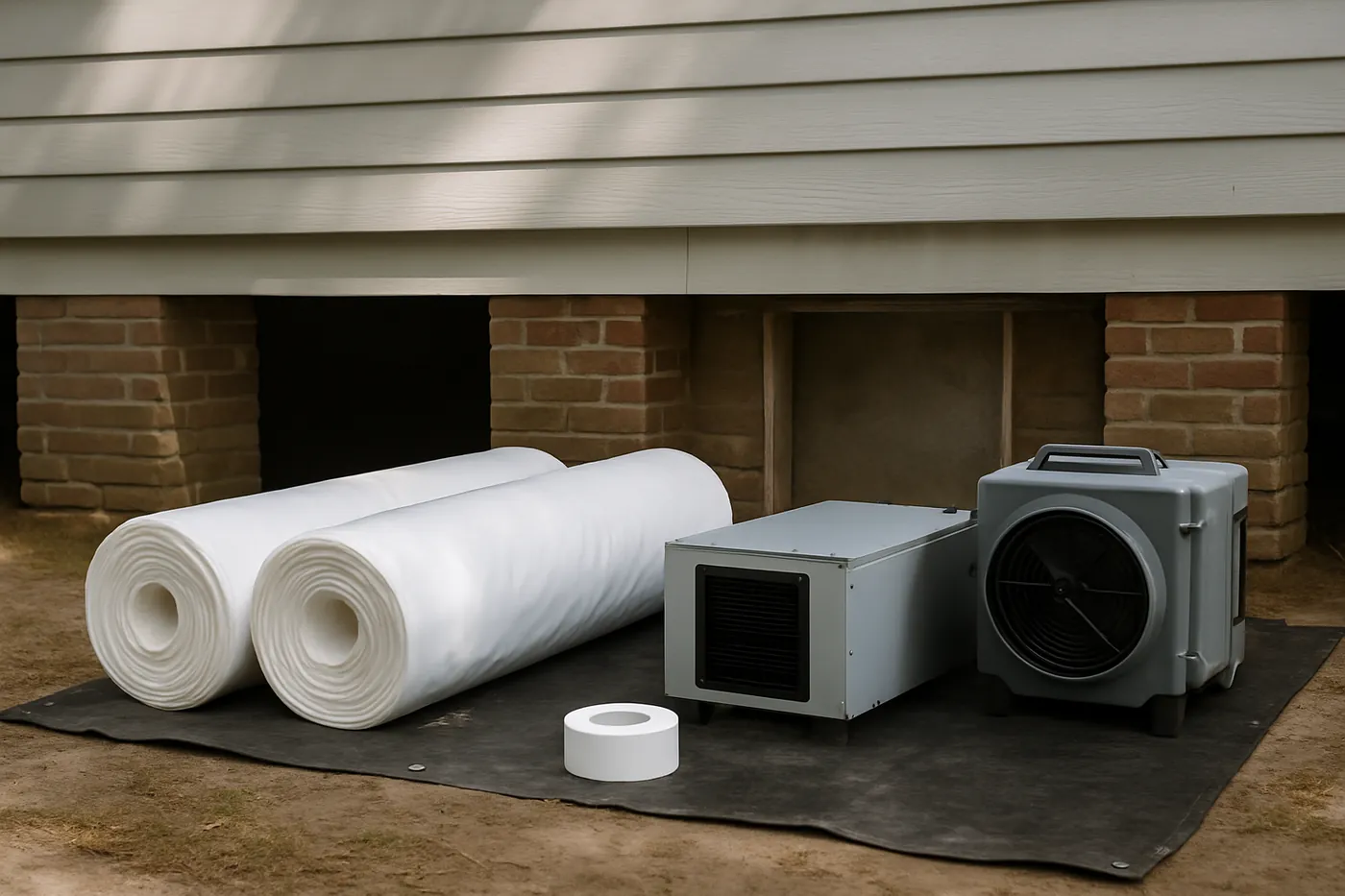
Read the indoor humidity first: a hygrometer is under $20 and answers a lot. Then the inspection follows, and a good one includes the crawl space and leaves a written report with moisture readings by location. Costs are itemized in the cost guide; nearby communities are under service areas.
Get a Charleston mold inspection
Tell us what you’re seeing or smelling: a musty smell coming up through the floor, cupping hardwood, condensation on ductwork, staining on a wall, and we'll pass your request to one independent local specialist, who can set up an inspection. A specialist who serves the Charleston area will call you back.