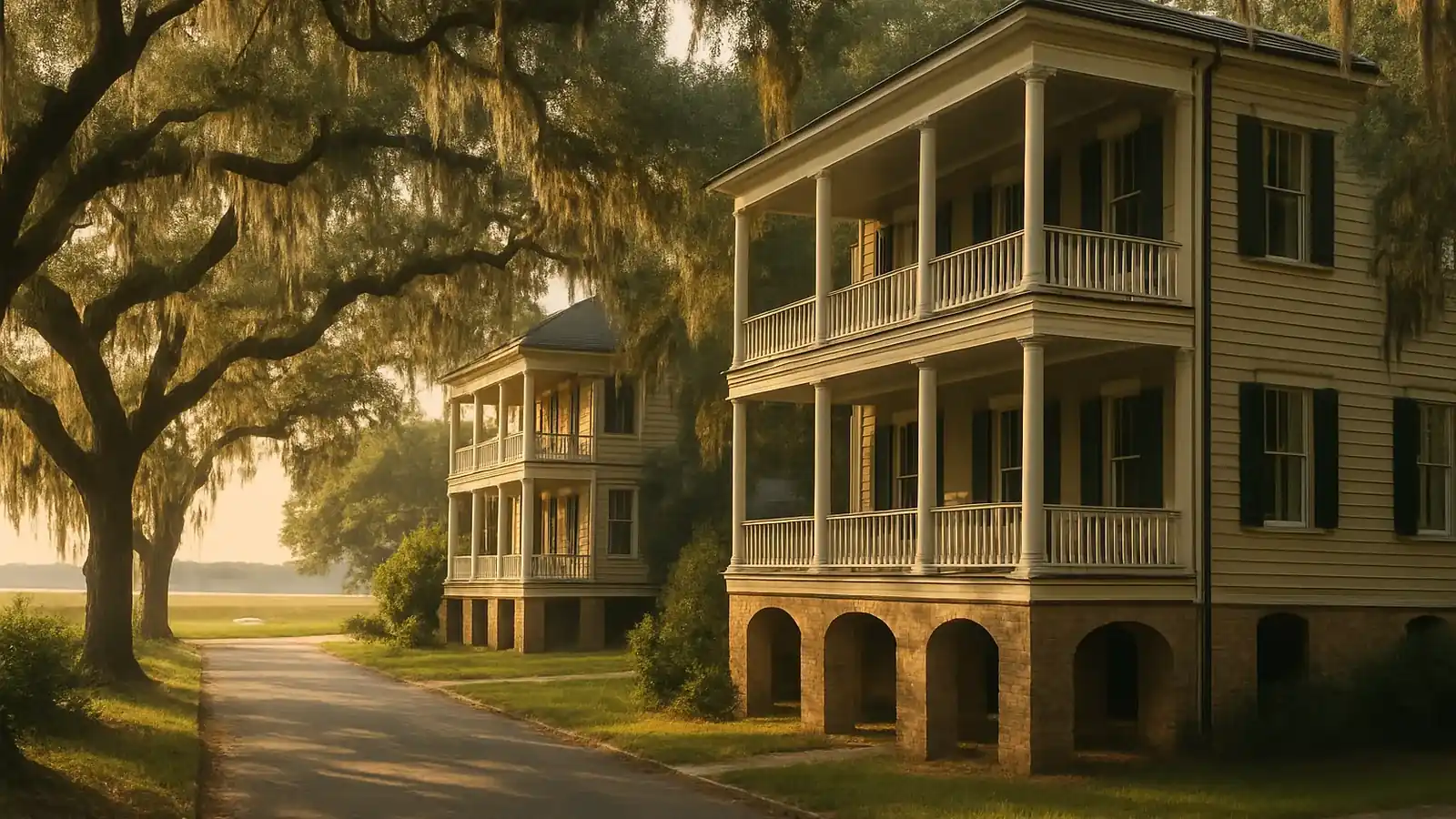
Most Johns Island mold work lands between $500 and $12,000, set by how far growth spread and whether the crawl space needs remediation, encapsulation, or drainage first. Roughly 50 inches of annual rain and long humid summers drive it. Many local specialists don't charge for the inspection; ask when they call.
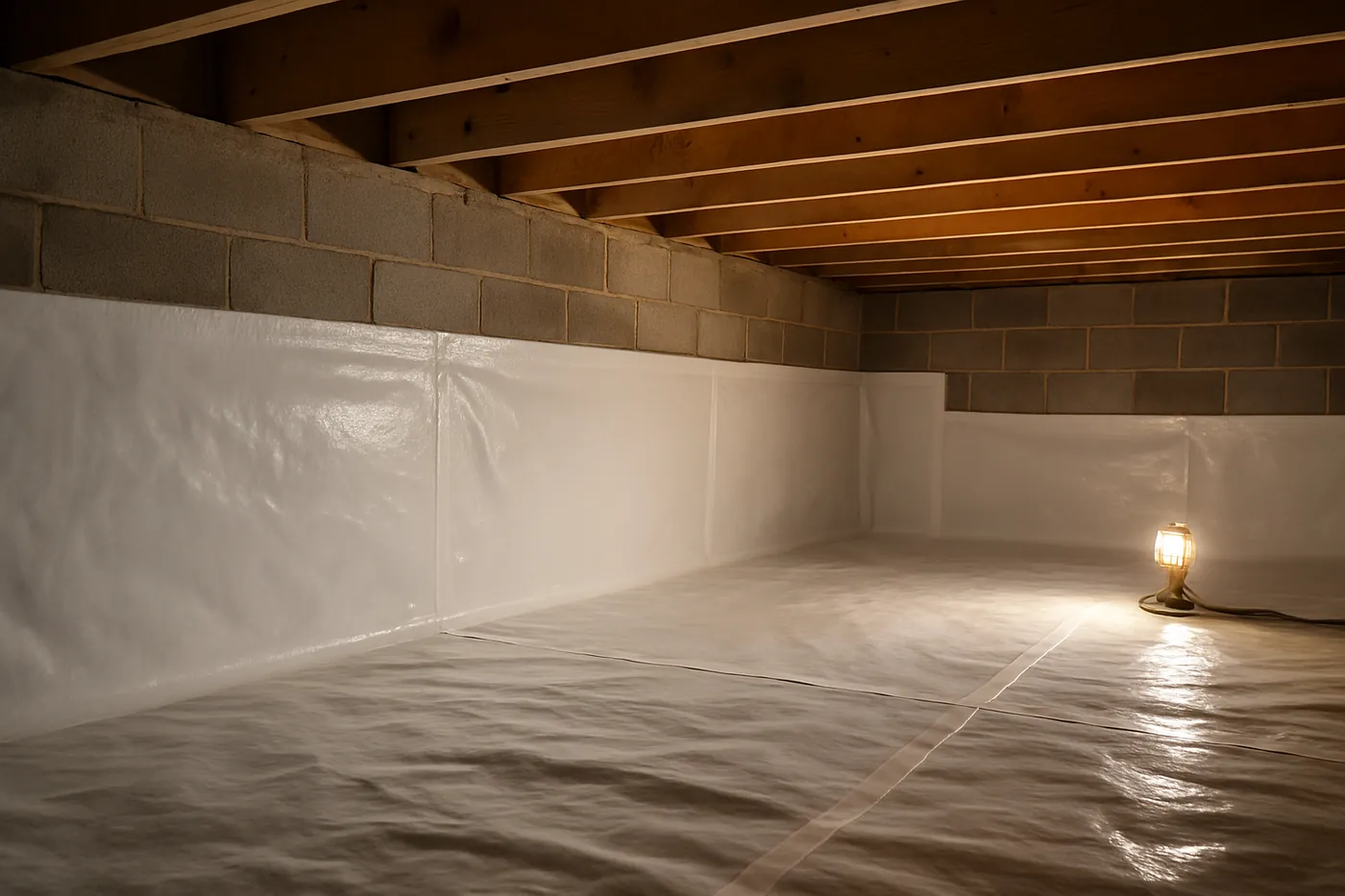
Rural ground filling in fast
Johns Island is the largest of the area's islands and it has been converting from agricultural and rural land into residential development at speed. That conversion produces a specific set of moisture conditions worth knowing about before you assume a house is the problem.
Agricultural land carries drainage infrastructure built to move water off fields: ditches, culverts, and in places buried tile. Development doesn't always remove it, and where a house sits on or near that network, water can be routed toward a foundation as readily as away. Combined with naturally low elevation and a high water table, that puts a lot of Johns Island crawl spaces in contact with more water than the vents alone would explain.
Large lots and long water paths
Properties out here tend to be larger, and larger lots collect and route more water before it reaches the house: frequently arriving from a direction the yard doesn't suggest. Evaluations here spend real time outside: where water enters the property, what concentrates it, whether swales still function, and where it goes. On the island's flattest ground, restoring fall away from the foundation does more for a crawl space than anything installed under it.
Drainage before encapsulation, every time
This is the community where the sequence most often needs saying explicitly. A crawl space that takes water needs the water addressed before a liner goes down, and pricing them together in one undifferentiated number hides which half you're actually buying. A good scope separates them: drainage first, encapsulation second, with the option to stage them across budgets.
Older homes, septic, and outbuildings
The island retains a stock of older rural housing along with newer construction, and rural properties frequently include outbuildings, workshops, and additions built at different times. Unconditioned structures hold high humidity year-round in this climate, and where one adjoins conditioned space it becomes a moisture source. A good inspection covers those connections rather than stopping at the main house.
Asked in Johns Island
Our subdivision was farmland recently. Does that matter?
It can. Agricultural drainage (ditches, culverts, buried tile) was built to move water off fields, not around houses, and development doesn't always remove it. A line running near a house can route water toward the foundation as easily as away, and old drainage fails with no sign at the surface.
Our lot is several acres. Does that change the inspection?
It lengthens the outside portion considerably. Larger lots collect and route more water before it reaches the house, often arriving from a direction the yard doesn't suggest. On the flattest ground here, restoring fall away from the foundation does more for a crawl space than anything installed under it.
Should we do drainage and encapsulation together?
In sequence, and priced separately. Drainage first, encapsulation second. That's the order that works, and separating the lines lets you see which half you're paying for and stage them if the budget calls for it. A single undifferentiated number hides that choice.
Should outbuildings be inspected?
Yes, and it matters on rural properties. Unconditioned structures hold high humidity year-round in this climate, and where one adjoins conditioned space it becomes a moisture source for the house. A good inspection covers those connections rather than stopping at the main structure.
What happens after you call
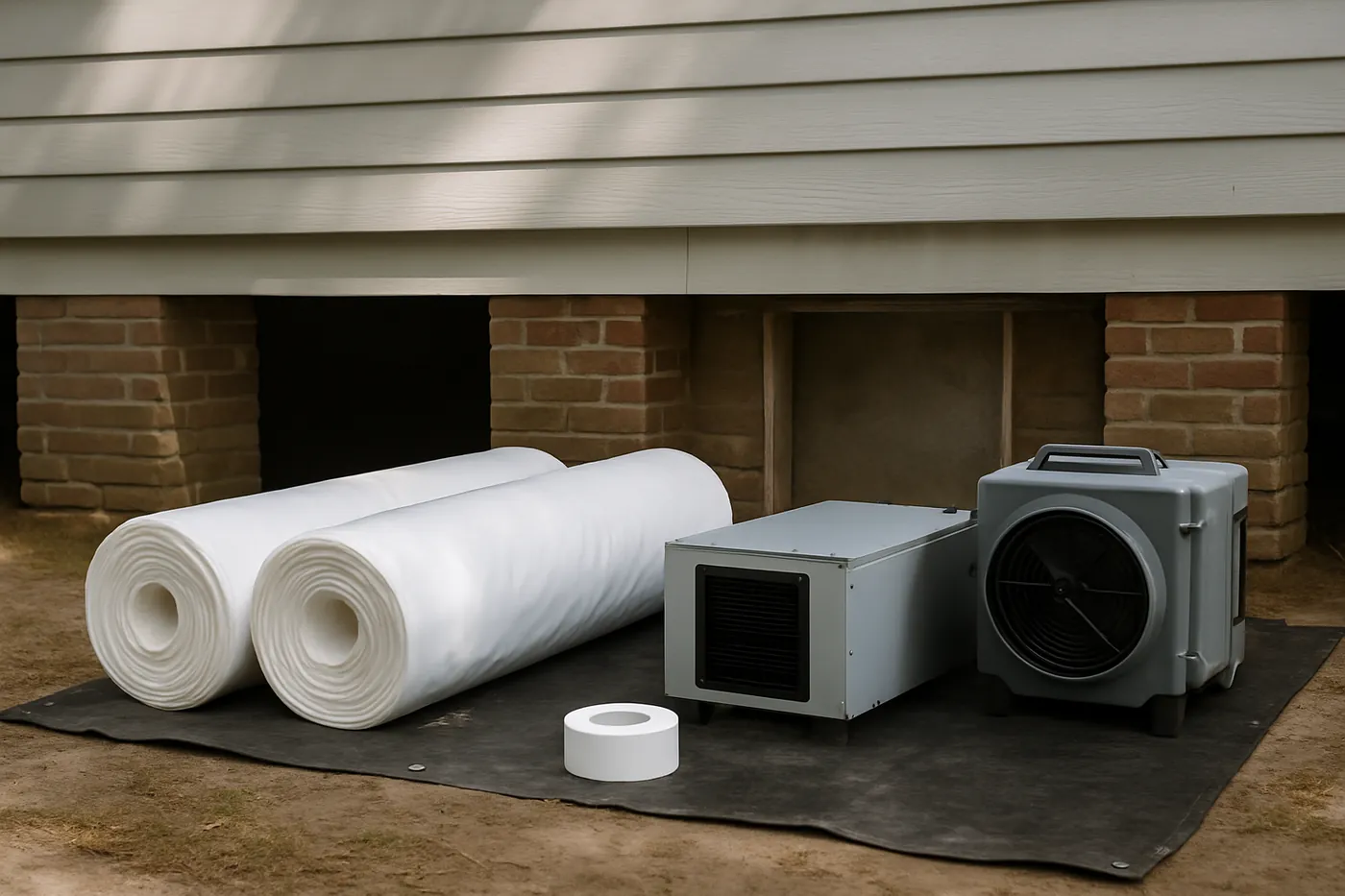
A good specialist measures Johns Island homes before pricing them: moisture content on joists and subfloor, humidity under the house and inside it, vapor barrier and duct condition, and the exterior water path. Ask for a written scope with an itemized price for each line, and listen for an honest "a vapor barrier will do it" when that's what the numbers say. See the cost guide or the full service list.
Get a Charleston mold inspection
Tell us what you’re seeing or smelling: a musty smell coming up through the floor, cupping hardwood, condensation on ductwork, staining on a wall, and we'll pass your request to one independent local specialist, who can set up an inspection. A specialist who serves the Charleston area will call you back.