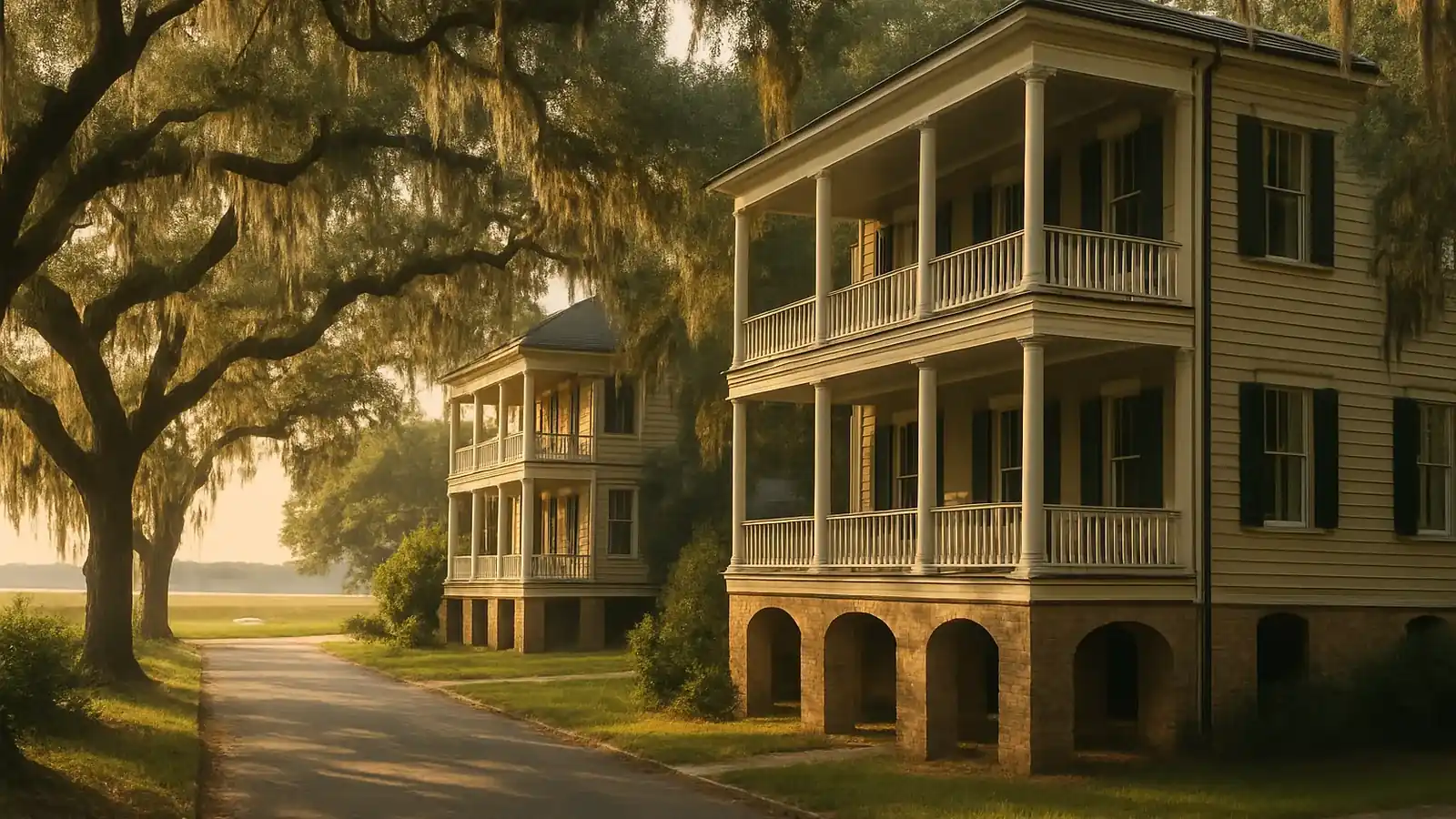
North Charleston homeowners pay $500–$6,000 for most mold remediation, from about $300 for testing when genuinely warranted. Humid air condensing under a raised house is the usual mechanism, and an inspection that includes going into the crawl space is what identifies it.
Older stock, deferred systems
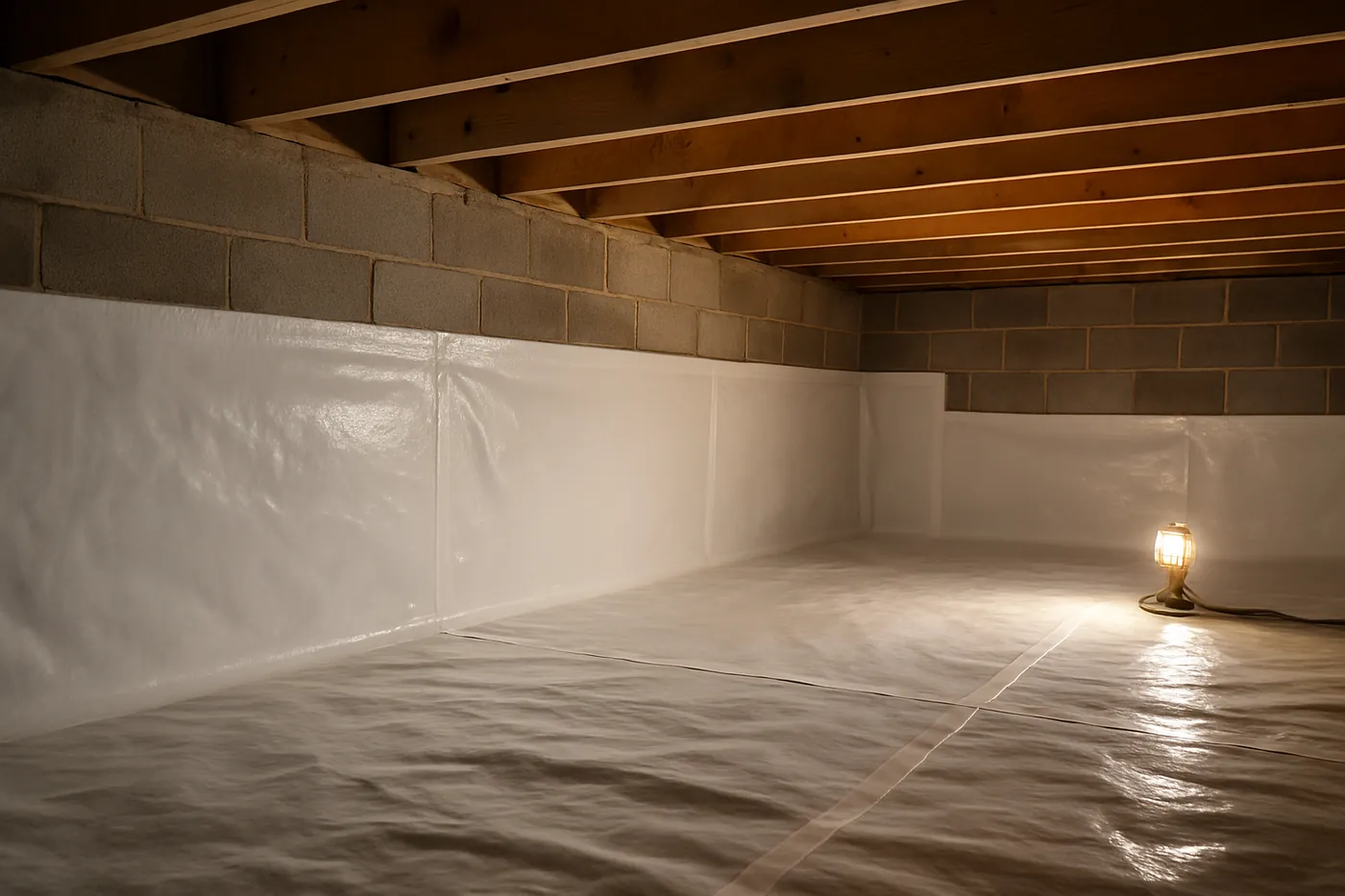
North Charleston carries a large inventory of mid-century and working-era housing, much of it on crawl spaces, and the profile that produces is consistent: original or long-serving HVAC equipment, crawl spaces that have never had a vapor barrier or have one that failed decades ago, duct insulation that has torn and fallen away, and ventilation details that predate any thought about moisture management.
None of that is a defect in the houses. They are solid buildings running assemblies that were normal when they were built. What they need is usually specific and affordable once someone measures: a vapor barrier, duct insulation repair, and a crawl space that stops exchanging air with a Lowcountry summer.
Rentals report late, and that costs more
A meaningful share of housing here is tenant-occupied, and rentals share a predictable problem: a musty smell or cupping floor gets lived with for months before an owner hears about it. By the time someone calls, growth has spread further and more material has to come out than would have a season earlier.
For landlords the arithmetic is straightforward. An annual walkthrough that includes going into the crawl space and taking a humidity reading is inexpensive, and it catches the mechanism while it's still a vapor barrier rather than a full remediation. Treat those as inspections, not sales calls.
What turns up most often here
A missing or shredded vapor barrier over bare soil, fiberglass batts sagging wet off the subfloor, duct insulation failed and the ducts sweating, and relative humidity in the crawl running far above the house. That combination is completely fixable, and the fix is usually a fraction of what owners brace for when they first see the crawl space photos.
Asked in North Charleston
Our house is from the 1960s. Is the crawl space the problem?
Very likely part of it. Housing of that era typically has bare soil or a long-failed vapor barrier, fiberglass batts stapled to the subfloor, and duct insulation that has torn. That combination produces sweating ducts, wet sagging insulation, growth on joists, and a musty smell nobody can locate from inside.
I own rental property here. How do I stay ahead of it?
An annual walkthrough that includes going into the crawl space and taking a humidity reading. Tenants live with a musty smell or a cupping floor for months before an owner hears about it, so problems report late and cost more. Catching the mechanism early usually means a vapor barrier instead of a remediation.
What does mold removal cost in North Charleston?
The area ranges apply: $500 to $6,000 for most residential remediation, $2,000 to $6,000 for crawl space work, $4,000 to $12,000 with encapsulation. Many findings here are inexpensive corrections (a vapor barrier, duct insulation repair) rather than full remediation.
Is an older house worth fixing, or should we just live with it?
Worth fixing, and usually for less than owners expect. These are solid buildings running assemblies that were normal when they were built. What they need is specific: a vapor barrier, duct insulation, and a crawl space that stops exchanging air with a Lowcountry summer.
Next step for your North Charleston home
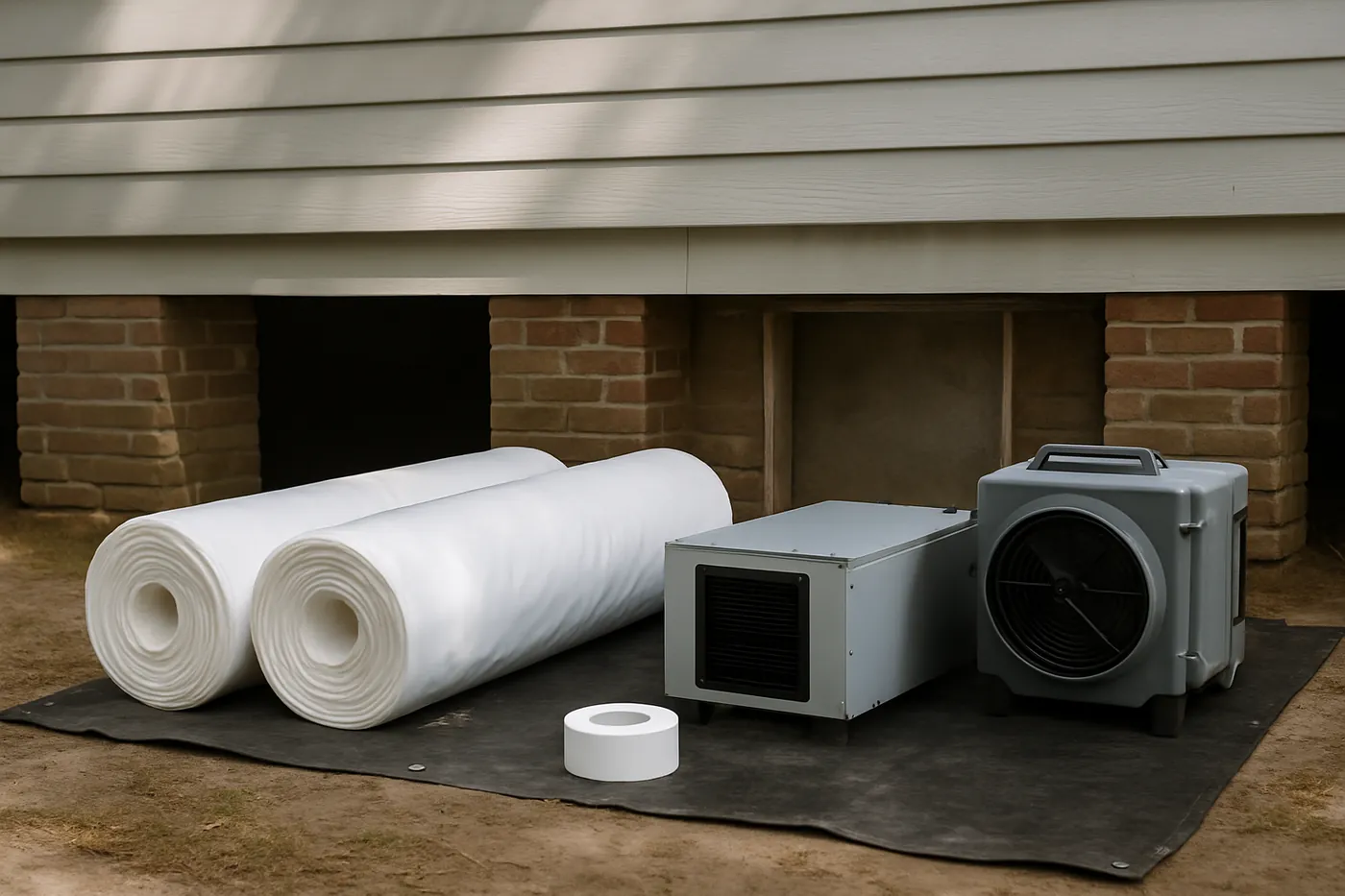
Read the indoor humidity first: a hygrometer is under $20 and answers a lot. Then the inspection follows, and a good one includes the crawl space and leaves a written report with moisture readings by location. Costs are itemized in the cost guide; nearby communities are under service areas.
Get a Charleston mold inspection
Tell us what you’re seeing or smelling: a musty smell coming up through the floor, cupping hardwood, condensation on ductwork, staining on a wall, and we'll pass your request to one independent local specialist, who can set up an inspection. A specialist who serves the Charleston area will call you back.