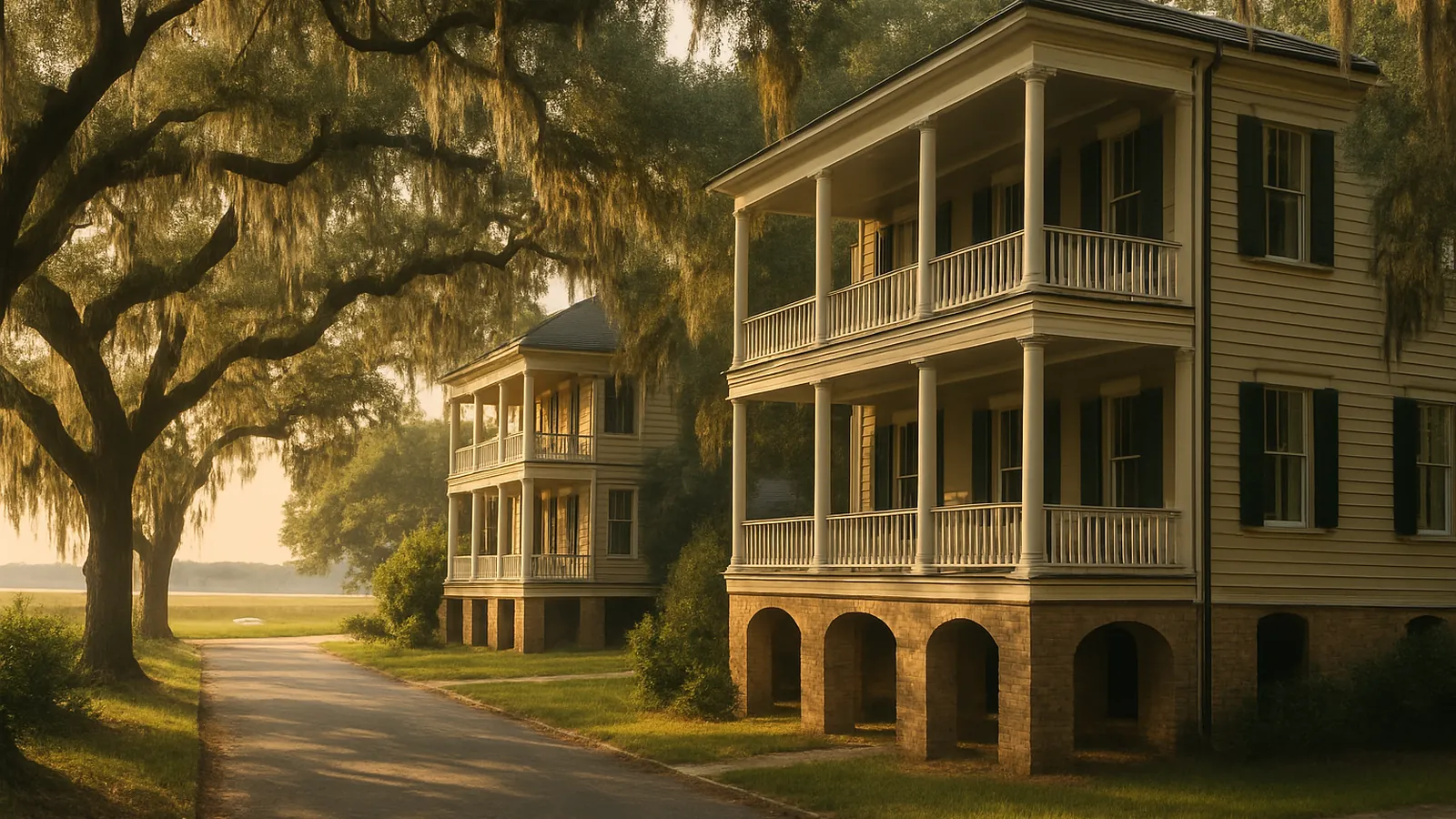
Black mold removal in Charleston runs $500–$6,000 for most homes — contained single-room jobs $2,000–$6,000, whole-crawl work up to $4,000–$12,000. Removal practice follows extent and moisture source, not species: the Lowcountry’s humidity, vented crawl spaces, and tidal water do the feeding.
What the color means, why this climate grows it, and the removal that actually holds.
What “black mold” is — and what the color doesn’t tell you
The phrase usually points at Stachybotrys chartarum, a genuinely dark, slow-growing mold that favors chronically wet cellulose — the paper face of drywall, wet wood. But many common molds grow dark, color shifts with surface and age, and EPA remediation guidance keys on extent and moisture rather than species: substantial indoor growth gets removed and its water source gets fixed, whatever the colony’s name. Species testing has real uses — medical questions, legal disputes, clearance — and our inspection and testing page covers when it earns its $300–$900. What the color reliably tells you in Charleston is simpler: something has been wet for a while.
Why the Lowcountry grows it so well
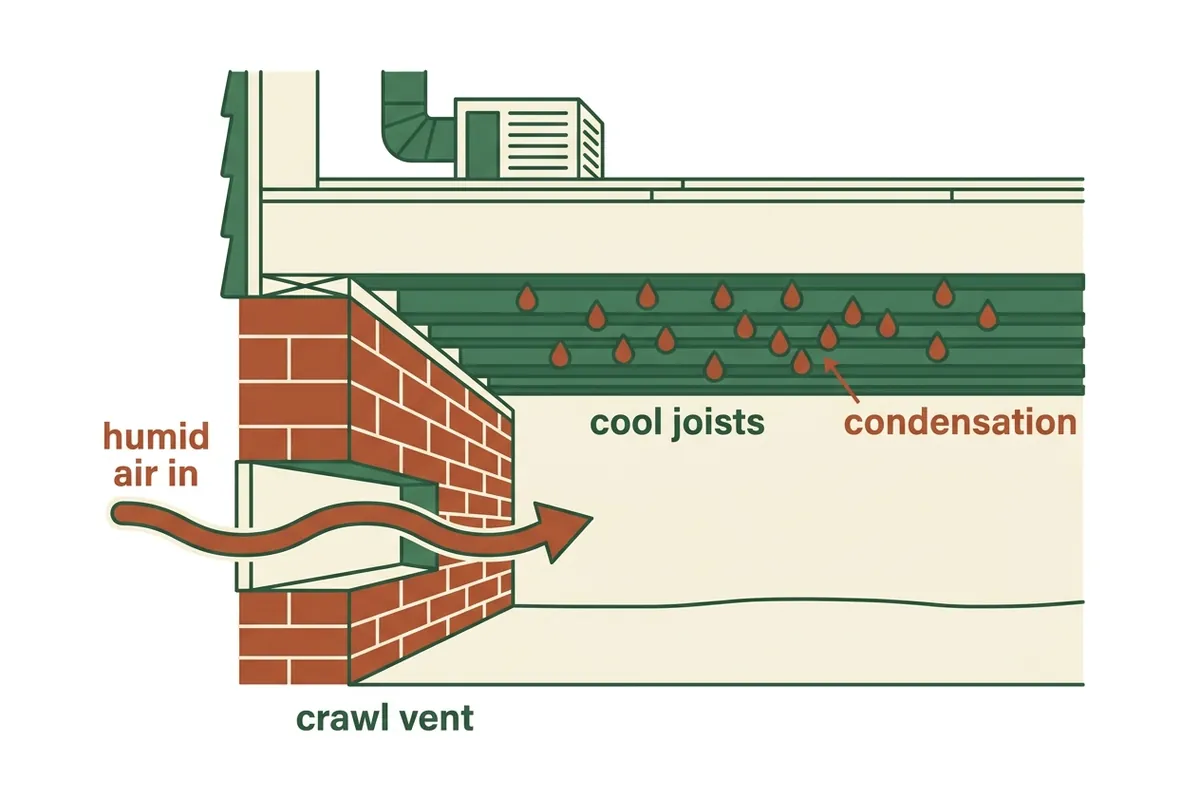
Charleston stacks every driver. Fifty inches of rain and long humid summers keep outdoor air loaded; vented crawl spaces pull that air under raised houses, where it condenses on cool framing — the region’s signature colony site; air conditioning cools without dehumidifying, so closed-up rooms stay damp; and tidal and storm water finds the peninsula’s low spots on its own schedule. Dark growth on a joist under a Wagener Terrace single or behind baseboards in a West Ashley ranch isn’t exotic — it’s the local climate doing what it does wherever moisture management lapses.
Cleanup or remediation — the honest line
| Situation | Reasonable response | Typical cost |
|---|---|---|
| Small patch on hard, non-porous surface | Household cleanup, then watch it | Supplies |
| Growth on drywall, wood, or fabric | Material removal — porous roots regrow through cleaners | $500–$2,000 small scope |
| A room, a wall system, an AC air path | Contained remediation, HEPA, negative air | $2,000–$6,000 |
| Crawl space colonization | Whole-crawl remediation + moisture correction | $4,000–$12,000 |
| After tidal or storm water | Dry-out first, then assess | Scoped after drying |
Removal that holds in this climate
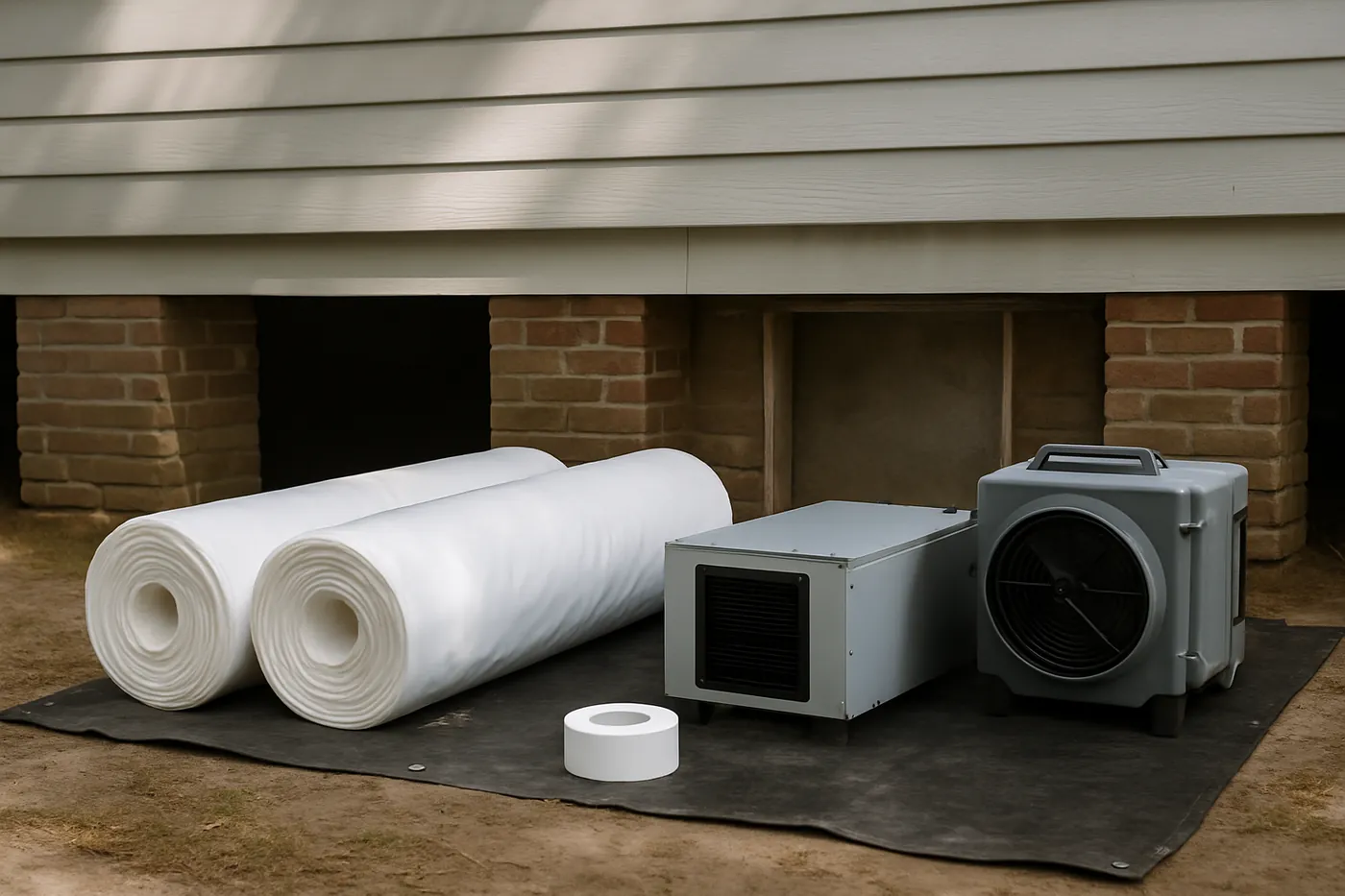
The sequence is containment before disturbance — plastic and negative air so the work doesn’t seed the rest of the house — then removal of colonized porous material, HEPA-vac and damp-wipe of structural surfaces, and drying. Then the half that makes it permanent here: the moisture fix. A crawl colony without crawl-humidity work returns; an AC-path colony without system cleanup and condensate correction returns; storm-wetted framing that never fully dried returns. South Carolina issues no mold-specific contractor license, so judge every bid — ours included — by whether it names the moisture source and the verification step, not by the license frame on the wall. The cost guide prices every scope line by line.
What clearance testing actually proves
The job isn’t finished when the visible growth is gone; it’s finished when an independent test says the air matches an unaffected part of the house. Post-remediation verification looks at three things: the work area is visibly clean and dry, the containment held, and airborne spore counts inside are at or below the outdoor baseline taken the same day. That outdoor comparison is the part people miss — mold spores exist everywhere outdoors, so “zero” is not the standard and any company promising it is selling something. Insist the sampling be done by someone who isn’t doing the remediation, and keep the report. It is what you hand a buyer, an adjuster, or a landlord when the question comes up later.
Black mold questions, straight answers
Is black mold really more dangerous than other molds?
The color doesn't decide the danger. 'Black mold' usually points at Stachybotrys, but many common molds grow dark, and remediation practice per EPA guidance is driven by extent and moisture source, not species. Any substantial indoor growth warrants removal and moisture correction; testing tells you species if a doctor or dispute needs the name.
Why does Charleston grow so much of it?
The Lowcountry is a mold habitat with houses in it. Fifty inches of rain, long humid summers, vented crawl spaces condensing humid air under the floor, AC that cools without drying, and tidal water in the low spots — every driver on the checklist. Dark growth here is common enough that the useful question isn't whether it's 'black mold' but where the water came from.
Can I just bleach it?
On a small, hard, non-porous surface — a shower corner — household cleanup is reasonable. On drywall, wood, or anything porous, bleach wets the material, kills surface growth, and leaves roots in a dampened substrate: the regrowth cycle. Growth beyond a few square feet, in a crawl space, or recurring after cleaning is a containment-and-removal job, not a spray bottle.
What does removal actually involve here?
Containment with negative air so spores don't spread during work, HEPA filtration, removal of colonized porous materials, cleaning of structural surfaces, and — the Lowcountry half — fixing the moisture that fed it: crawl ventilation, AC humidity, or intruding water. Skipping the moisture fix is renting the removal. Clearance verification comes after, not on the same invoice as promises.
What does black mold removal cost in Charleston?
Most residential remediation runs $500 to $6,000 by spread: contained single-room work commonly $2,000-$6,000, whole-crawl-space jobs $4,000-$12,000. Species doesn't change the price — extent and access do. South Carolina issues no mold-specific license, so weigh every bid's process against EPA guidance, including ours; testing, where wanted, runs $300-$900.
Get a free Charleston mold inspection
Tell us what you’re seeing or smelling — a musty smell coming up through the floor, cupping hardwood, condensation on ductwork, staining on a wall — and we’ll schedule an inspection that includes going under the house. We reply the same business day.